
The hospitality industry is entering a new era of complexity. Guest journeys are becoming more fragmented, booking windows are tightening, and expectations around personalisation and speed continue to rise.
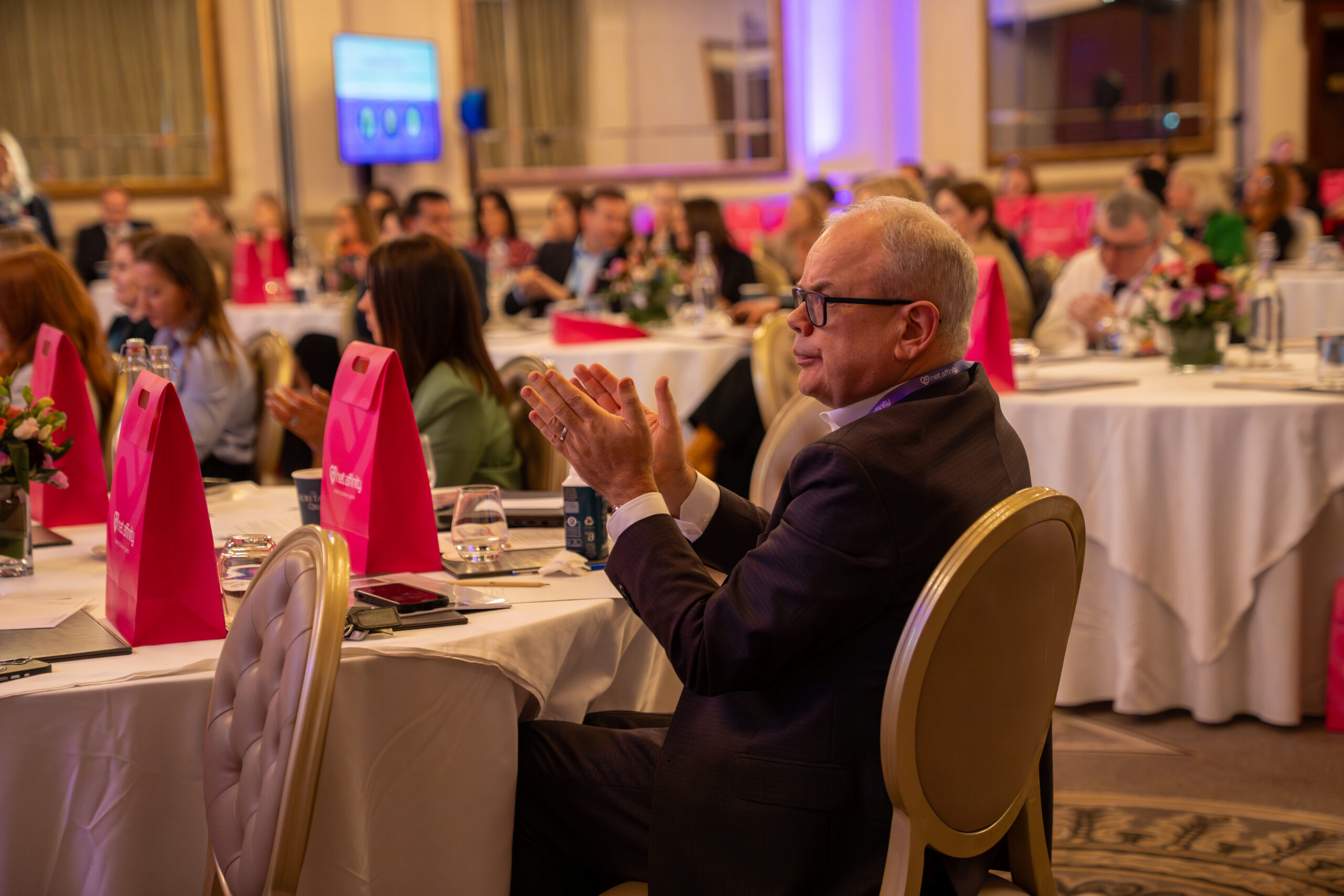
At Net Affinity’s fourth annual Revenue Summit, we welcomed over 100 independent hoteliers to The Heritage, Killenard, for a full day of expert-led discussion focused on one central question – how can hotels protect and grow revenue as guest behaviour shifts in 2026 and beyond?
Our latest blog explores the key insights from the day and the practical implications for hotel strategy in the year ahead. You can also watch our Revenue Summit highlights in the short video below:
Revenue protection starts with better data decisions
A recurring theme throughout the summit was the need to look beyond booking volume and focus on booking value. The channel delivering the most reservations is not always the one delivering the strongest profit, particularly once commission costs and guest behaviour differences are considered.
One of the most valuable exercises for 2026 is to take a closer look at booking source data within your PMS and assess performance based on value rather than volume. When this is paired with guest profile indicators such as origin market, purpose of visit, unit types booked, and repeat versus new guests, hotels can build a clearer picture of what segments are driving profitable growth. This is where smarter channel strategy begins and where hotels can make more intentional decisions about what to prioritise on brand, versus what can be left to OTAs.
Conversion gains come from removing friction
One of the clearest takeaways from the summit was that conversion improvements do not always require major investment or full website rebuilds. In many cases, meaningful growth comes from removing small points of friction that quietly suppress performance.
Data shared on the day showed that vague guarantee language under reasons to book direct can reduce conversion by 33%, while clearer, tangible benefits such as early check-in or complimentary inclusions tend to resonate far more strongly with guests. It was also highlighted that conversion rates were 74% higher when guests booked from a single-date availability view compared to a flexible view, reinforcing how reducing choice overload can make it easier for users to complete the booking.
The broader message for 2026 is that clarity, simplicity and confidence signals matter more than ever. When a booking journey feels effortless, guests are more likely to commit directly.
The AI-armed traveller is reshaping discovery
Guest discovery is no longer linear and 2026 will only intensify that shift. Discussions at the summit explored how AI-powered search, creator-led platforms and rapidly evolving digital behaviours are changing the way guests find and evaluate hotels.
Hotels are now competing in a fragmented discovery environment where travellers might move between social platforms, OTAs, AI-generated recommendations and hotel websites before making a decision. At the same time, expectations for hyper-personalisation are rising, but many properties are held back by fragmented data and disconnected systems.
What this means for 2026 is that digital strategy must be more agile and more guest-led. Hotels that build clearer personas, tailor messaging to real guest intent, and strengthen their channel mix decisions will be better positioned to stay visible, relevant and profitable.

Total revenue thinking needs to extend beyond the room
A major focus of the summit was how hotels can maximise total guest revenue across every stage of the journey, not only at the point of booking. Current benchmarks discussed on the day showed extras engagement sitting at 25% and upgrades at 12%, which underlines the opportunity available when hotels improve how value is presented.
It was also highlighted that package badges can deliver a meaningful conversion uplift by helping guests quickly understand value without needing to read long descriptions. At the same time, overly complex on-site messaging can have the opposite effect. In particular, custom message fields within reservation forms were associated with a 9% decrease in conversion, while no availability messaging was linked to a 10% decrease.
The lesson is that revenue growth often comes down to presentation. When upgrades and extras are clearly positioned with strong imagery and a concise message, hotels have a stronger chance of increasing booking value without increasing acquisition costs.
Seasonal revenue still delivers, but timing is everything
Seasonal behaviour remains one of the most reliable revenue opportunities for hotels and voucher performance data shared at the summit reinforced that planning ahead continues to pay off.
Data showed that 51% of vouchers were purchased across November and December 2025, consistent with 2024. December remained the strongest month, accounting for 41% of voucher purchases, while November contributed 10%. With these trends holding steady, the competitive advantage comes from how early hotels prepare campaigns and how effectively they communicate value in a crowded market.
For 2026, the opportunity is not just to participate in peak seasonal moments, but to build a repeatable strategy that is planned early, executed clearly, and designed for fast conversion across devices.
Technology must enhance the human side of hospitality
The summit also reinforced an important balance. While technology, automation and AI are increasingly shaping the booking journey, hospitality remains a people business. Several conversations focused on how hotels can adopt smarter tools without losing the guest-facing experience that ultimately defines brand loyalty.
A particularly strong point raised on the day was the importance of the guest database as a long-term asset. It is one of the most valuable sources of insight for understanding what is working, what is not, and where the next revenue opportunity exists. In 2026, hotels that stay close to their data while maintaining a strong human experience will be the ones that protect both reputation and revenue.
How to prepare your hotel strategy for 2026
The overarching message from the Revenue Summit was – 2026 success will come from smarter decision-making, simpler booking journeys and more intentional revenue strategy.
Hotels should prioritise improving conversion through clarity and reduced friction, reassess channel performance through a profitability lens and stay agile as discovery becomes more fragmented. At the same time, there is significant untapped opportunity in total revenue through improved merchandising of extras, upgrades and packages, along with better seasonal planning.
How Net Affinity can help
At Net Affinity, we’re dedicated to helping hotels protect and grow revenue through direct bookings. Our technology and expertise are built to support the realities of modern guest behaviour, from mobile-first booking journeys to conversion optimisation and smarter revenue strategy. Get in touch with our expert team today or explore our latest case studies to see how we help hotels drive sustainable direct growth.